
Every SKU Tells a Story
Inventory management might not sound like the most thrilling subject, but behind every Stock Keeping Unit (SKU)—the unique code identifying each product—lies a dynamic story of consumer demand, supply chain fluctuations, and the high-stakes balancing act performed by inventory managers. Each SKU isn't just a number; it represents a product someone wants, and its story is told through the peaks and valleys of the inventory balance.
A Picture (or Chart) is worth a 1,000 Words
To visualize this story, inventory managers often rely on the sawtooth inventory graph . This simple yet powerful diagram illustrates the theoretical ebb and flow of a single item over time.
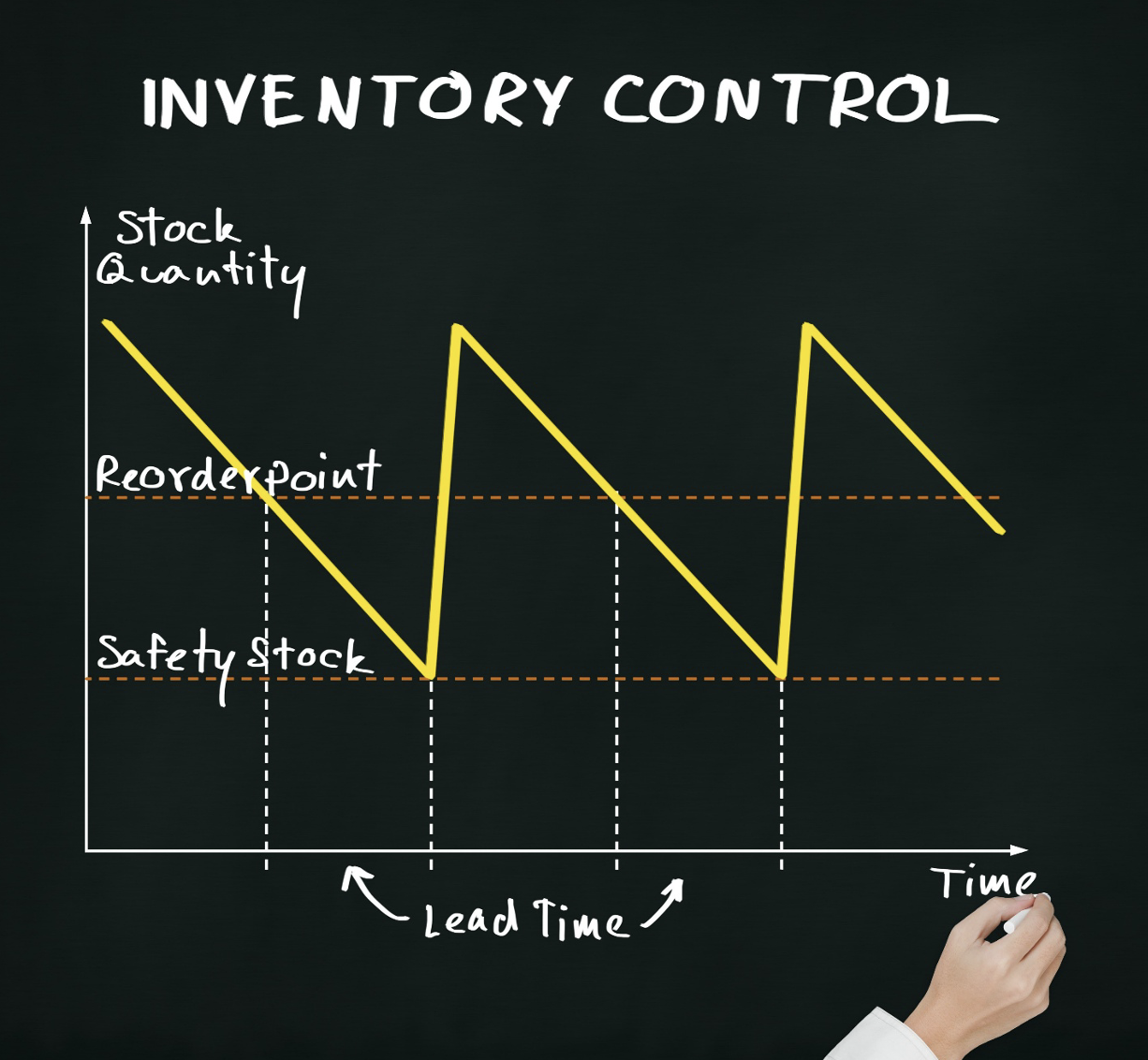
The Peak: The inventory level is at its highest right after a new shipment (an order quantity) is received.
The Decline (The 'Saw'): As customers purchase the item, the inventory level declines steadily—that's the downward slope of the 'saw' tooth.
The Replenishment Point: Before the stock hits zero, an order is placed. The graph assumes an idealized model where the new stock arrives just as the level reaches a pre-determined point, sending the inventory back up to the peak.
In this perfect world, the teeth are all uniform. But in reality, the demand is rarely a straight, predictable line. There’s a shift in customer demand, a competitors or substitute isn’t available or another factor that drives variation in demand.
The Unpredictable Consumer 🤯
The primary challenge for an inventory manager is unpredictable demand. One week, sales might be sluggish; the next, a sudden trend, a competitor's stockout, or an unseasonable weather event can cause a massive, unexpected spike in purchases.
Lumpy Demand: Some products have "lumpy" demand, meaning long periods of slow sales followed by short, intense bursts (think seasonal items or specialty parts).
Forecasting Errors: Despite sophisticated forecasting models, predicting the exact timing and magnitude of demand surges is impossible. An unexpected sales event means the declining line on the graph drops steeper and faster than anticipated. If the inventory falls to zero before the next shipment arrives, you have a stockout—a missed sales opportunity and, worse, a frustrated customer.
Supply Chain Surprises 🚢
Demand is only half the battle. The other side of the challenge is the volatility of supply. Inventory managers must place orders based on a supplier’s promised lead time—the duration between placing an order and receiving it.
Lead Time Variance: A delay in production, a shipping backlog, a port strike, or a natural disaster can extend a lead time from two weeks to two months. When a planned stock arrival is late, the downward slope of the inventory graph continues, pushing the stock closer and closer to a stockout.
Fluctuating Costs: Supply disruptions can also impact the cost of goods and the ideal order quantity. Buying too much ties up cash; buying too little risks running dry.
The Role of Safety Stock 🛡️
This is where the concept of safety stock becomes the inventory manager's lifeline. On the sawtooth graph, a line is drawn above zero inventory—this is the safety stock level.
Safety stock is the buffer inventory held specifically to guard against the twin uncertainties of unpredictable demand and fluctuating supply. It is the minimum amount of stock an inventory manager aims to never dip below.
If demand suddenly spikes, the inventory level dips into the safety stock, buying the manager time until the late or next scheduled shipment arrives. The higher the volatility of the SKU’s demand or the unreliability of its supply, the higher the required safety stock.
However, safety stock comes at a cost (holding cost, obsolescence risk), forcing managers to constantly ask: How much protection can we afford?
The Story's Conclusion (The Continuous Challenge)
As a retailer, inventory levels are one of perpetual optimization, attempting to achieve the impossible perfect balance: maximizing sales by avoiding stockouts while minimizing costs by avoiding excess inventory. Every SKU's story is a continuous negotiation between the unpredictable world of customers and the volatile world of suppliers, making the daily quest to keep enough stock one of the most critical and challenging roles in any business.